

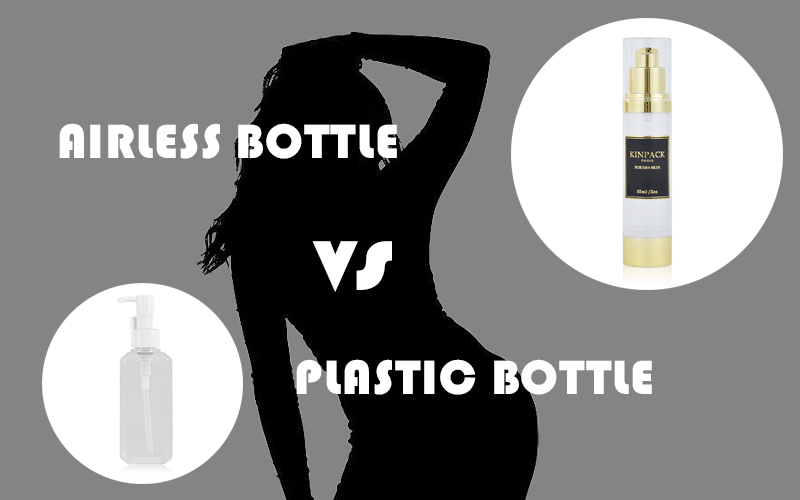
In the dynamic landscape of packaging solutions, two contenders stand out for their widespread use and unique features: airless bottles and traditional plastic bottles. Both serve essential roles in packaging, particularly in industries like cosmetics, healthcare, and food and beverage. Kinpack’s article delves into a comparative analysis of these two types of bottles, examining their design, functionality, and environmental implications. Let’s go on!
Design and Functionality:
- Mechanism:
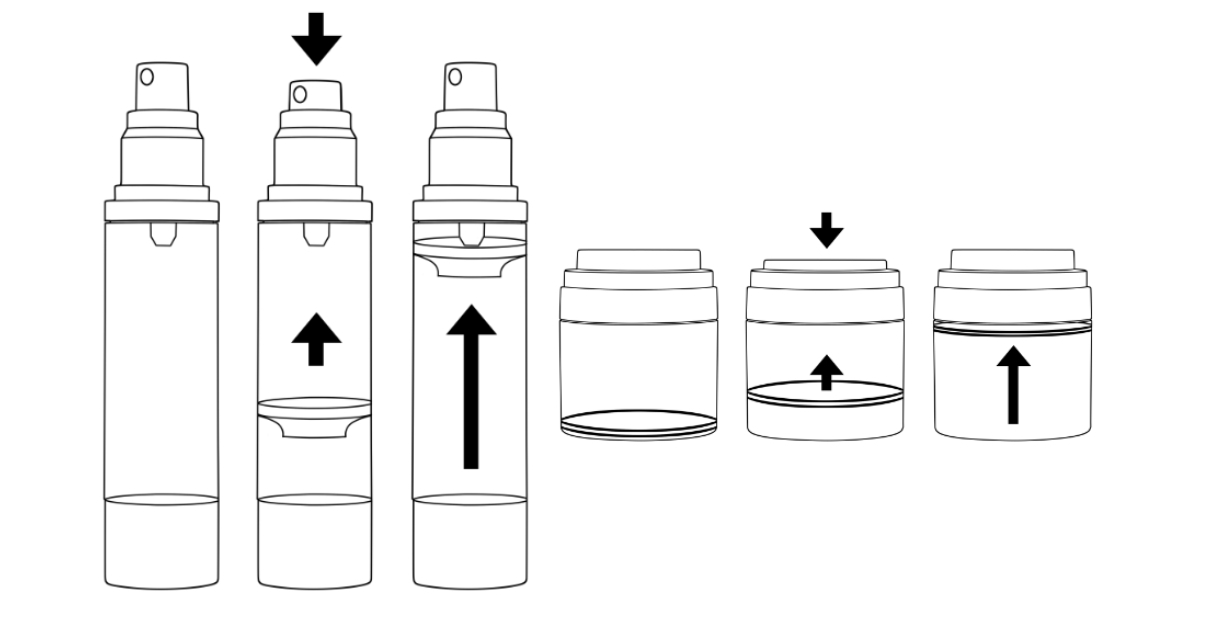
Airless Bottles: Utilize a non-pressurized vacuum dispensing system. The product is dispensed through a diaphragm that moves up the bottle, ensuring minimal air contact.
Traditional Plastic Bottles: Often rely on a dip tube and pump or simple cap opening, which exposes the contents to air with each use.
- Product Preservation:
Airless Bottles: Superior in preserving product integrity by preventing air exposure, reducing the risk of contamination and oxidation.
Traditional Plastic Bottles: Less effective in protecting contents from air, potentially affecting product shelf life and efficacy.
- Dispensing Accuracy:
Airless Bottles: Offer precise and controlled dispensing, reducing waste and overuse.
Traditional Plastic Bottles: Can lead to product wastage due to less precise dispensing mechanisms.
Environmental Impact:
- Material Use and Sustainability:
Airless Bottles: Often made with recyclable materials but the complexity of the mechanism can pose challenges in recycling.
Traditional Plastic Bottles: Typically easier to recycle, but their widespread use contributes significantly to plastic waste.
- Waste Reduction:
Airless Bottles: Highly efficient in dispensing, nearly eliminating product waste.
Traditional Plastic Bottles: Can lead to product residue being left unused, contributing to higher waste.
- Cost and Market Trends:
Airless Bottles: Generally more expensive due to their advanced technology, appealing to premium markets.
Traditional Plastic Bottles: More cost-effective, making them a ubiquitous choice in various sectors.
Both airless and traditional plastic bottles have their distinct advantages and drawbacks. Airless bottles excel in preserving product quality, reducing waste, and offering a more luxurious user experience. In contrast, traditional plastic bottles are cost-effective, simple, and widely recyclable, despite their limitations in product preservation and waste reduction. The choice between the two largely depends on the specific needs of the product and the brand’s commitment to sustainability and consumer experience.